Client: a buyer in Japan Starting volume: 50 pieces a month Current volume: 300 pieces a month What changed: consistency across reorders, and a specification that never drifted
The starting point
This client began, like most of our new relationships, with a first order rather than a forecast. Fifty pieces per month, on an existing style, with the client’s own branding.
That is a deliberately cautious way to start. It also happens to be the approach that tends to survive contact with real demand, because it separates two questions that are usually asked at the same time and answered badly:
Will this product sell? And: Can this supplier be relied on?
The first three months
The first order is not really about the first order. It is a test of everything around it.
Sampling. A pre-production sample in 3 to 5 days, reviewed by the client, with one round of adjustments. Fast sampling matters at the start because it is the first signal of how responsive a supplier will be in month six.
Specification. Material, dimensions, hardware, stitching and logo placement were written down and confirmed before production. Every later order refers back to that same document.
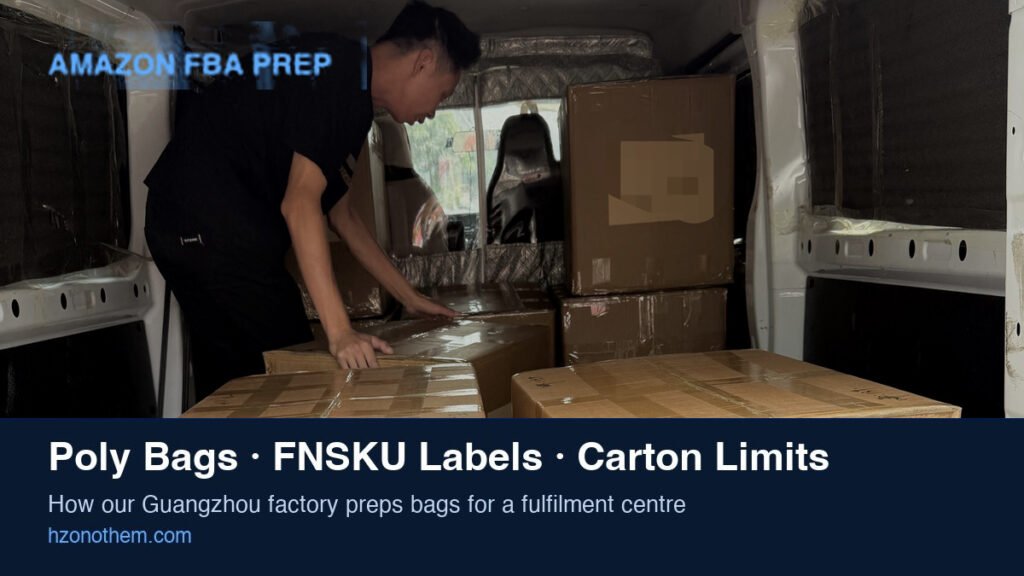
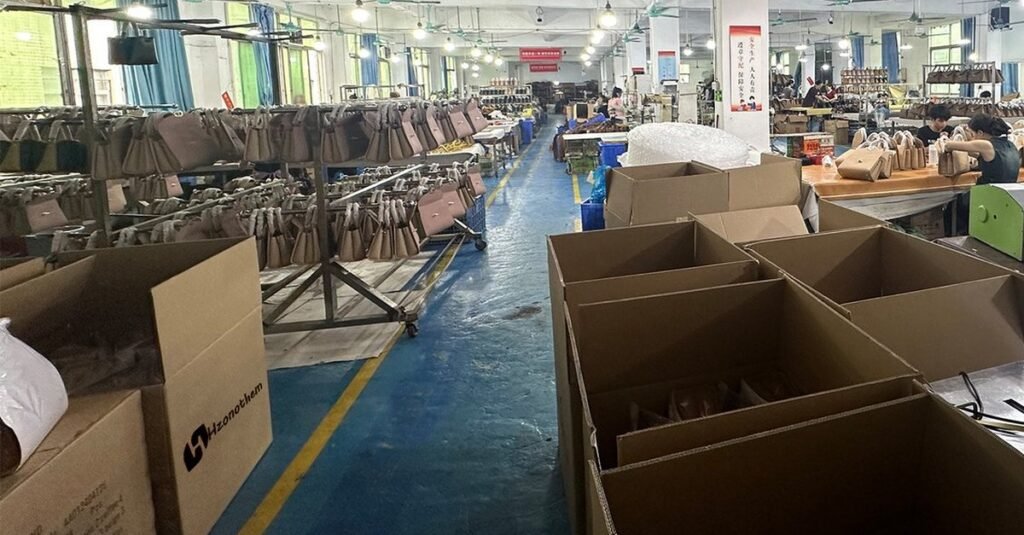
Inspection. Each shipment was inspected at material intake, during production, and again at final packing, with photographs and a packing list before the carton was sealed.
Communication. Working across a time difference makes delays visible. Questions were answered the same working day, which is what keeps a small order moving.
Where the volume came from
The increase from 50 to 300 pieces per month was not the result of a single large order. It came from two things happening together:
- Reorders became routine. Once the specification was fixed, each reorder was a repetition rather than a project. That removed the development time from every cycle and shortened the gap between placing an order and having stock.
- Consistency held. The 300th piece was the same as the first. For a buyer selling to customers who will judge the second purchase against the first, that is the whole game. Consistency is also what makes a higher volume safe: if quality drifts as volume rises, growth becomes a liability rather than an opportunity.
Why specification discipline was decisive
Two orders of the same style, six months apart, only match if nothing drifts in between.
In practice, drift happens in small places: a substitute zipper, a lining from a different supplier, a slightly different dye lot, a logo applied two millimetres off. Each is invisible in an email and obvious to a customer.
The way to prevent it is unglamorous:
- An approved physical sample, kept and referred to
- A written specification sheet for every style
- A defect standard that is measured, not assumed
Our defect rate is held under 2%, and every bag carries a three-year warranty against defects in workmanship and materials. At 50 pieces a month, that is reassurance. At 300, it is the reason the relationship is still working.
The wider point
The two client stories on this site — this one and our US case study — have different starting volumes and different markets, and the same underlying pattern.
Small first order. Fixed specification. Reorder against demand. Supplier keeps the quality level constant.
There is no version of this that requires a large initial commitment, and no version that works if the supplier treats reorders as new projects.
Frequently asked questions
What was the minimum order for this client? 50 pieces per style, which is our standard minimum.
How long did the growth take? It was gradual, driven by reorders rather than a single decision.
Does consistency cost more? It costs discipline, not money. Keeping the same hardware, lining and material across reorders is usually the cheaper option as well.
How is quality measured? At defined inspection points — material intake, during production, and final packing — with a defect rate held under 2% on finished goods.
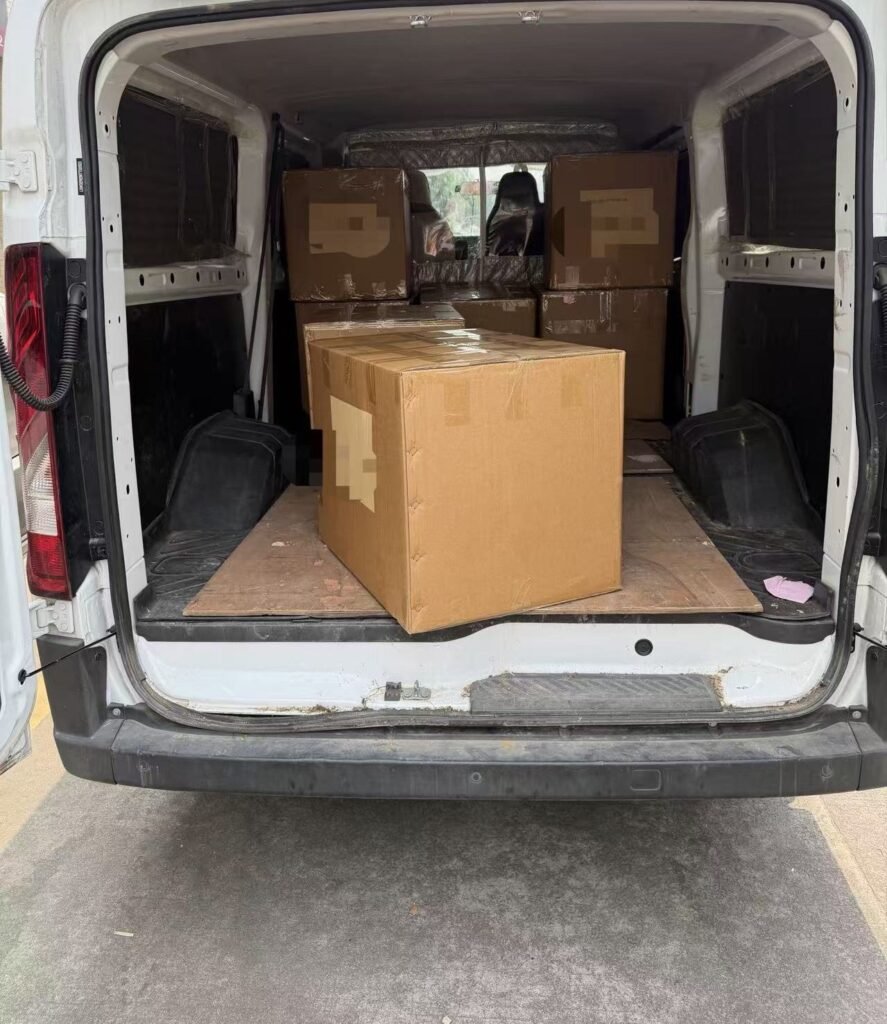
Can you ship to Japan? Yes. We confirm the packing list, carton label format and shipping arrangements before production finishes.
Start with one order, not a forecast
Tell us what you need to test and we will tell you what is achievable. Then the second order is faster, and the third is routine.
Send a photo of the style, your quantity and your branding requirement via our contact page, and see how the first order is handled.
For the sourcing fundamentals behind a relationship like this, see the buyer’s guide.
The styles this client orders are drawn from ranges like travel duffel bags, large leather laptop backpacks, waterproof travel backpacks and retro shoulder bags.
For the shipping and import side of the same order, see our import guide.