What a man-day actually buys you
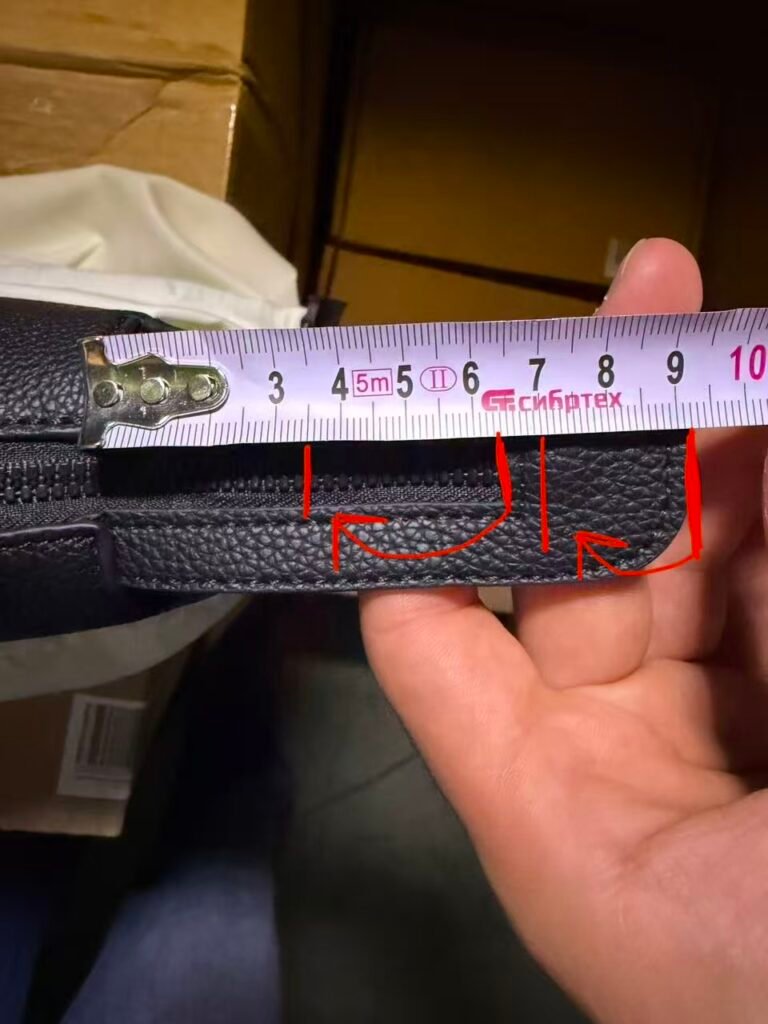
When you book SGS, Bureau Veritas, TUV or Intertek, you are not buying certainty. You are buying a report written by someone who does not work for the factory. In China a standard pre-shipment inspection runs roughly $250 to $450 per man-day depending on the city, the product and whether lab tests are added on top. The inspector pulls an AQL sample, measures it against your spec, opens zippers, checks stitching and function, and sends you a report in 24 to 48 hours. For a 200-piece order at AQL 2.5 that sample is often 32 bags.
That is genuinely useful when the alternative is a factory you have never visited packing 500 bags into a container. It is less useful when the factory has its own line QC, an approved pre-production sample and a reason to protect a 3-year warranty. The question is not whether inspection is good. The question is what it can see that the factory cannot hide, and what that visibility is worth on your specific order.
The $350 math at 200 pieces
Most buyers apply big-order logic to a small order. At 2,000 pieces, a $350 man-day is $0.18 a bag. At 200 pieces it is $1.75 a bag. On a $4 nylon tote that is nearly half the unit cost. On a $38 full grain leather briefcase it is under 5%. Same inspector, same report, completely different arithmetic.
| Order | Unit cost | $350 fee per bag | Worth it? |
|---|---|---|---|
| 2,000 nylon totes | $4 | $0.18 | Usually no |
| 200 nylon totes | $4 | $1.75 | Almost never |
| 100 full grain leather briefcases | $38 | $3.50 | Usually yes |
We make this trade-off explicit with clients. On our line the defect rate runs under 2% across more than 200,000 bags a year, and we back every order with a 3-year warranty. If $1.75 a bag is the difference between profit and loss on a tote, the honest answer is to skip the inspector and put that money into a better pre-production sample instead. That is the point in the process where a mistake is cheapest to fix, not the week before shipping.
What our own QC checks before anything ships
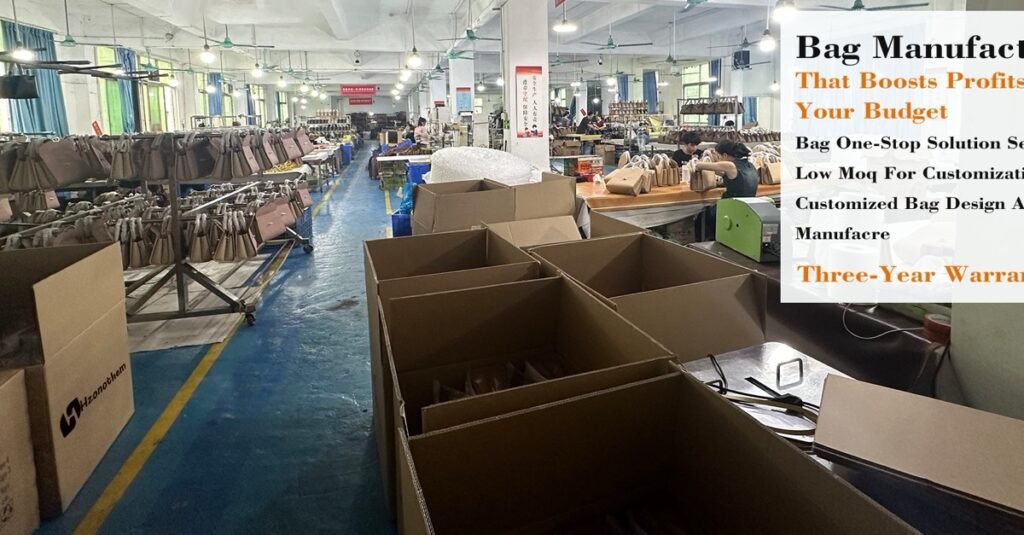
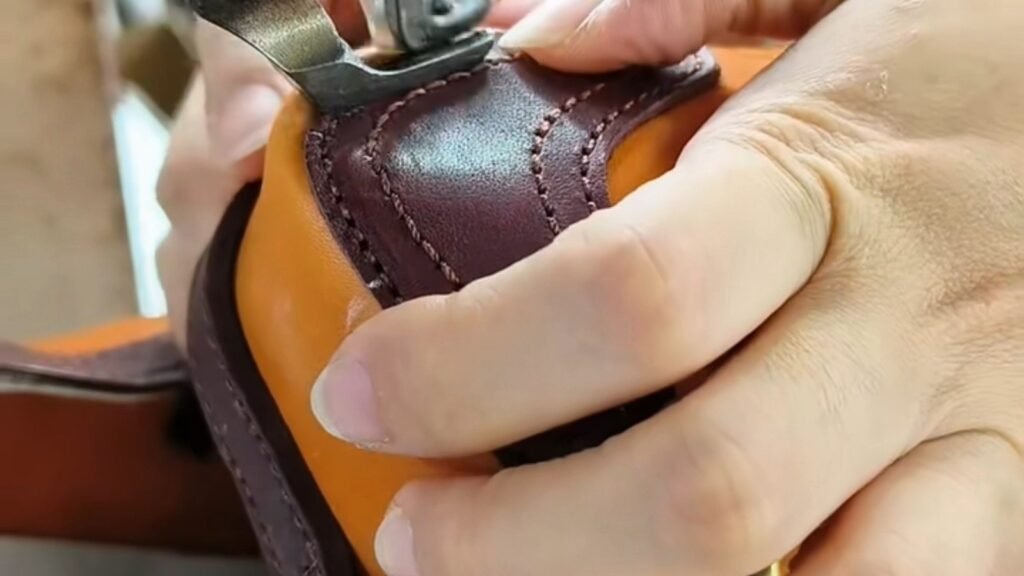
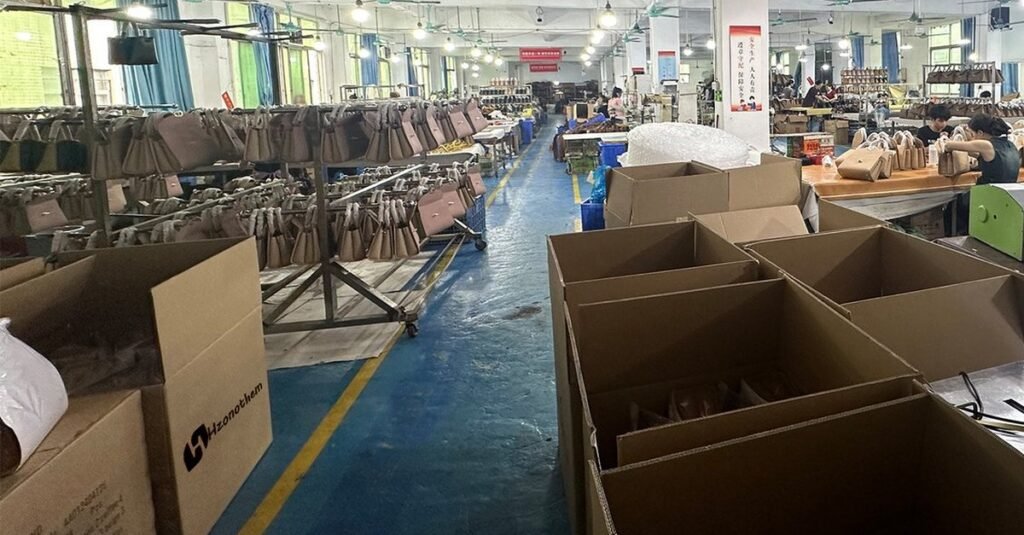
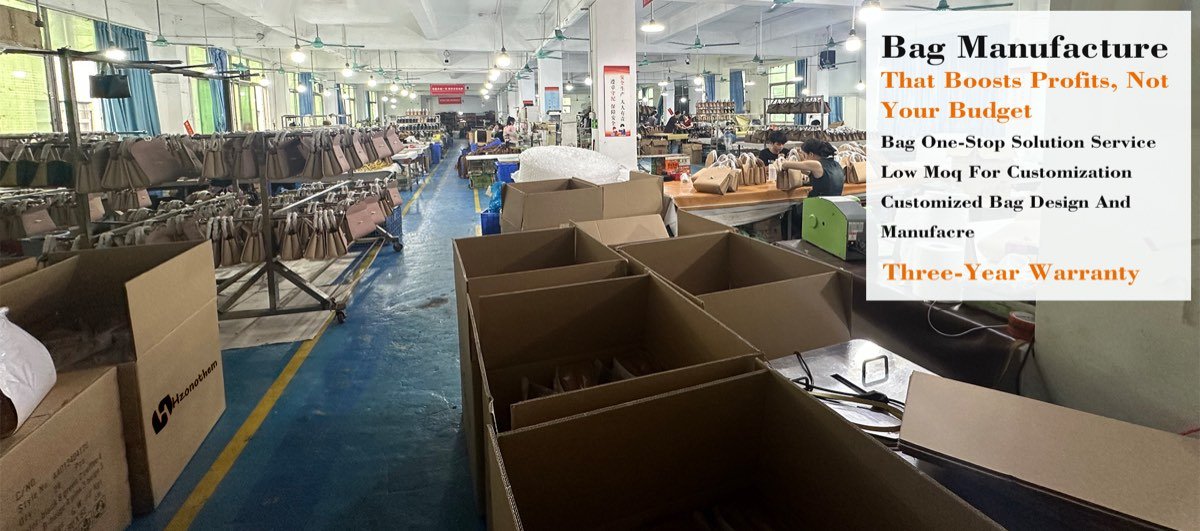
I am not saying factory QC replaces a third party. I am saying you should know what you are already getting. Before a carton leaves our bag manufacturing floor in Huadu, our QC team checks every style against the sealed sample: dimensions at the points of measure, stitch density, zipper function, bar-tack strength, colour against the approved swatch under daylight, and a final photo set of the packed cartons. That is the same list we published in our leather bag QC checklist.
There is a real limit here, and I will be honest about it: our QC works for us, not for you. An inspector works for you. When the two disagree, the independent report is the one that matters in a dispute. That is exactly the reason third-party inspection exists, and it is not something a factory’s own checklist can paper over.
When to skip it
We tell buyers to skip the third-party visit when several things are true at once:
- It is a repeat order of a style we have already made, with an approved sample.
- The product is straightforward canvas or nylon, with no load-bearing hardware or structured leather.
- You have bought from this factory before, or you have done a live video walk of the workshop.
- The order is small enough that a bad batch can be reworked or replaced without killing your season.
The last point matters more than buyers admit. A 200-piece nylon backpack order is recoverable. You can rework it, discount it, or reorder in three weeks. A 2,000-piece launch order tied to a trade show date is not recoverable. The size of the downside, not the size of the order, should drive the decision.
When to pay for it
There are four cases where I actively push a buyer to book the inspector, and I have recommended all four in real conversations:
- First order with a factory you have never visited. A report is the cheapest way to answer “does this factory actually make what it showed me?” before a container is on the water.
- Full grain leather or anything with a high unit value. A single hidden defect on a $38 briefcase costs more than $350. Hides also vary lot to lot, and an independent eye on grain and colour match catches what a photo will not.
- A letter of credit names the inspection company. No point arguing with the bank. It wants the certificate, so you buy the certificate.
- You cannot be on site and there is real money on the line — a launch, a trade show, or an Amazon restock with a hard deadline.
Notice what is not on the list: “because a competitor said you should.” Fear is the most common reason buyers overpay for inspection, and it is the weakest one.
The middle path most buyers miss
Between “trust the factory” and “book SGS” there is a cheaper step: the pre-production sample. When the PPS is approved and sealed, final inspection becomes mostly a check that the factory did not drift from the sample. We keep a sealed reference in the workshop and measure the bulk against it. Pair an approved sample with our QC photos and a live video of the packing, and the third-party visit often becomes redundant. That is the setup we walk through in our 5–7 day sample process.
The reason this works: most defects are locked in at the sampling stage, not introduced at the sewing stage. A bag that was measured, graded and approved correctly will almost always be cut and sewn correctly. The inspection catches drift. The sample prevents drift from being possible in the first place.
Two orders, two answers
A client on a 300-piece leather order asked us whether to book SGS. We walked the math: $350 against about $11,000 of goods. We had already run two sample rounds and the revised sample was sealed. I told him the man-day would mostly re-confirm what our line had already checked, and that the money was better spent on two extra units for his own testing. He skipped it, and the order landed exactly as our QC had signed off. The point is not that he saved $350. The point is that the decision was made on the order’s economics rather than on fear.
The reverse happened with a first-time buyer running 500 backpacks through a factory none of us knew well, with no approved sample yet. We told him to book the man-day. It caught a strap-attachment problem before 500 units shipped. $350 against 500 wrong units is the easiest money he spent all season.
Both orders were sensible. The same fee, the same report, opposite calls — because the orders were different.
The decision rule
If I had to compress this into one line: inspect when the cost of a hidden defect, times the probability of one, is bigger than the inspection fee — and when the factory has no incentive to catch it for you. A repeat order from a factory with line QC, a sealed sample and a 3-year warranty usually does not need it. A first order, a leather order, an LC, or a launch deadline usually does.
And if you are on the fence, the cheapest resolution is not a $350 report. It is a video walk through the workshop and a photo set of the packed cartons before the container closes. Most of our clients start there, then decide. If you are still unsure how long the whole cycle takes, our lead times guide and the MOQ math will tell you whether the order is even large enough for the fee to matter.
Book the inspector when the order is expensive, new, or legally required. Skip it when the order is small, repeat, and backed by a factory’s own QC and warranty. Either way, make the call with a calculator, not with anxiety.