What the EAC mark actually means on a bag order
When a buyer in Russia quotes a bag with us, the EAC mark usually comes up before the unit price is locked. Not because we raise it first, but because they do. The EAC mark is proof that a product meets the technical regulations of the Eurasian Economic Union, the EAEU: Russia, Belarus, Kazakhstan, Armenia, and Kyrgyzstan. For bags, luggage, and other light industry goods, the regulation that applies is TR CU 017/2011, which covers both safety and labeling for textiles, leather, and apparel.
In practice most bags clear this with a declaration of conformity rather than full certification. The importer or an authorized representative files the declaration with a certification body, and the EAC mark is then applied to the product and its packaging before the goods enter the EAEU. One thing we tell buyers early and without prompting: we are the factory, not the certifier. We make the bag, we print the label, and we coordinate with the buyer’s certification body, but we do not issue the declaration ourselves. Any factory that says “no paperwork from you, we handle everything” is worth a second look.
What has to be on the Russian-language label
Bags sold into the EAEU need a label that customs can actually read at the border, and that a retail inspector can read on the shelf. The label has to be in Russian, or in the national language of the EAEU country where the goods will be sold. It has to be legible and durable enough not to rub off or tear before the bag reaches the buyer. The basic set is:
| Field | What it means on our side |
|---|---|
| Product name / model | Matches the declaration, not a marketing name we invent later |
| Material composition | e.g. cowhide, PU, cotton canvas, nylon; written in Russian |
| Country of origin | “Made in China”, printed in Russian |
| Importer name | The EAEU importer who files the declaration |
| TR regulation number | TR CU 017/2011 for bags and leather goods |
| Care instructions | Wash/wipe/storage guidance in Russian |
| EAC mark | Placed before the goods enter the EAEU |
The importer name is the field that causes the most reprints. We have had buyers ask us to reprint care labels because the importer entity changed after the quote was already approved. It sounds small, but a wrong importer name on the label can hold a container at clearance, and by then the cartons are sealed and the label is inside. That is exactly why we ask for the importer details in writing before we cut the first sample, and why the label proof goes into the sample approval round rather than being left to the end.
Why buyers can’t skip it anymore
The reason this question got sharper is a rules change, not a new fashion. Under the updated Russian import rules, the EAC marking has to be applied before the goods arrive at the Russian border, at the factory or at a transit warehouse. You can no longer let the shipment land first and then pay someone to sticker the cartons at the port. For a bag factory that means the label has to be physically on the product or its packaging before we seal the export cartons on our floor.
This is the honest part most articles skip. A buyer who is testing the market with a 50-piece trial order may not actually need to go through the full EAC path yet, and we tell them so. The labeling step is cheap; the paperwork and coordination are the real cost. If the buyer’s plan is to re-sell in Russia long term, the declaration is worth doing properly the first time. If it is a one-off sample run for a trade show, spending days on a declaration before you have confirmed demand is money in the wrong place. We would rather say that at the quote stage than discover it halfway through production.
What the extra step really costs
Printing the labels themselves is a few cents per bag. The EAC mark does not make the bag more expensive to sew. What it adds is coordination time and a little lead time, and that is where the real cost sits.
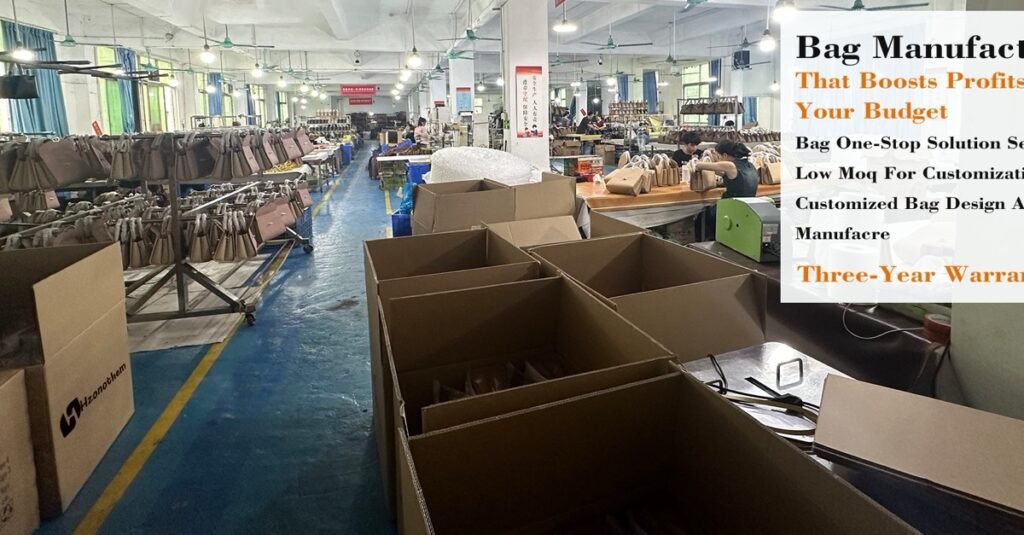
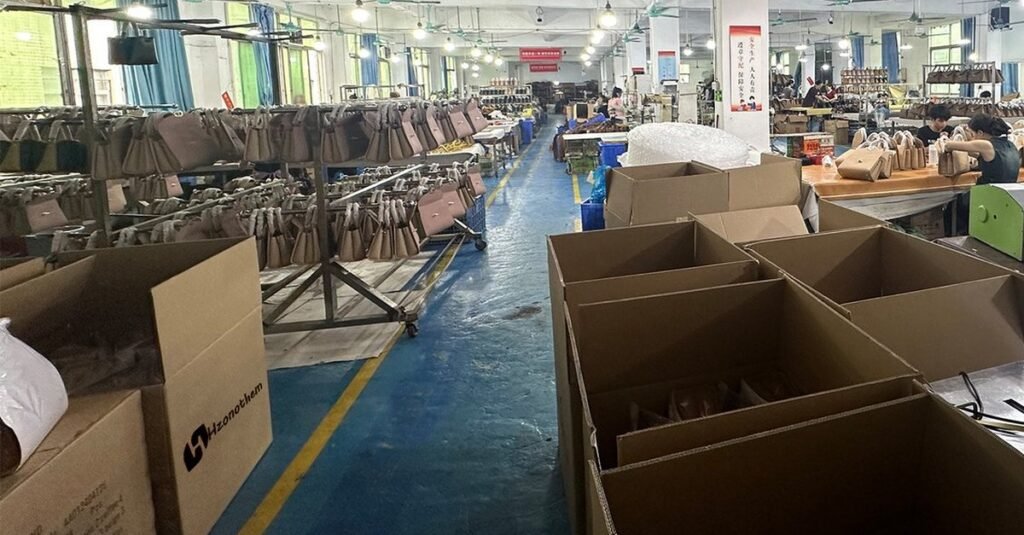
On our side the sequence looks like this. The buyer confirms the importer name and the declaration scope. We draft the Russian label text, send it for approval alongside the pre-production sample, and only then do we cut production. That draft-and-approve step rides on top of our normal sampling window of five to seven days, and it is usually the reason a Russian order runs a day or two longer than an identical order for the US. We run eight production lines with sixty-five workers and ship more than two hundred thousand bags a year, so the label itself is not the bottleneck; the back-and-forth on the importer details is.
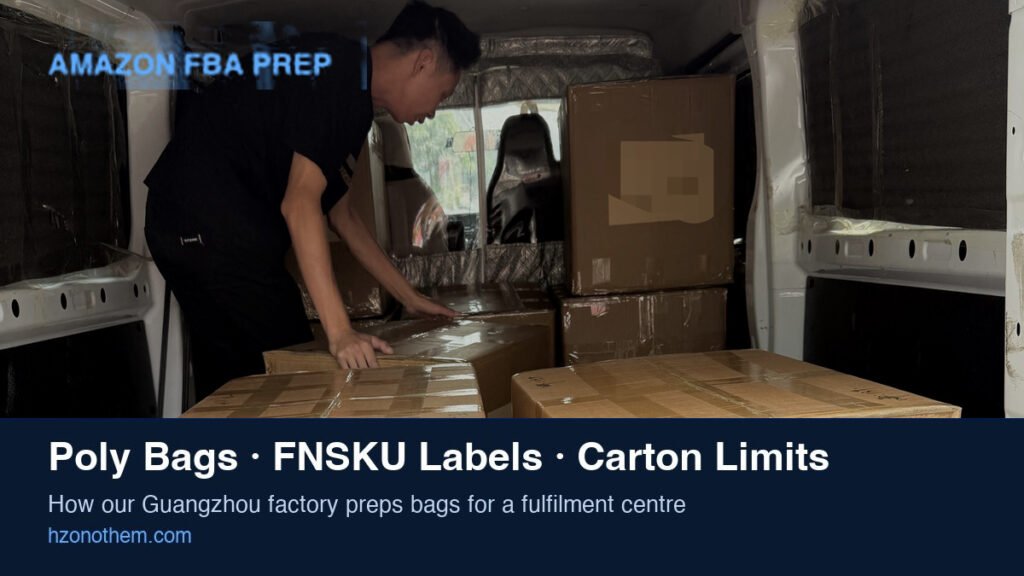
There is also a quality angle. We hold the line to under a two percent defect rate on the bag itself, but labels get their own spot check. A crooked EAC mark or a label that peels in transit is a compliance problem even when the bag is perfect, so our QC team checks the label on a random pull from every export carton before it is taped shut. That check is cheap insurance compared to a rejected lot at the border.
Questions to settle before you pay for the sample
Most of the EAC delays we see could have been avoided in the first week of the order. These are the questions we now ask every Russian buyer before the sample is cut:
Who is the EAEU importer of record, and what is the exact legal name that goes on the label? Which member state is the first point of sale, because that decides the language? Is this a declaration of conformity or a full certification, and does the buyer or the certification body need anything from us? Will the label text be approved in the sample round, or does the buyer’s team need an extra sign-off? The answers to those four questions cost nothing and usually cut the revision count from three rounds down to one or two.
We have learned to ask them as a matter of routine, the same way we ask a US buyer about care-label and country-of-origin rules before we quote. Compliance questions are cheapest when they are asked before the fabric is cut, not after the cartons are stacked.
How it runs on our line
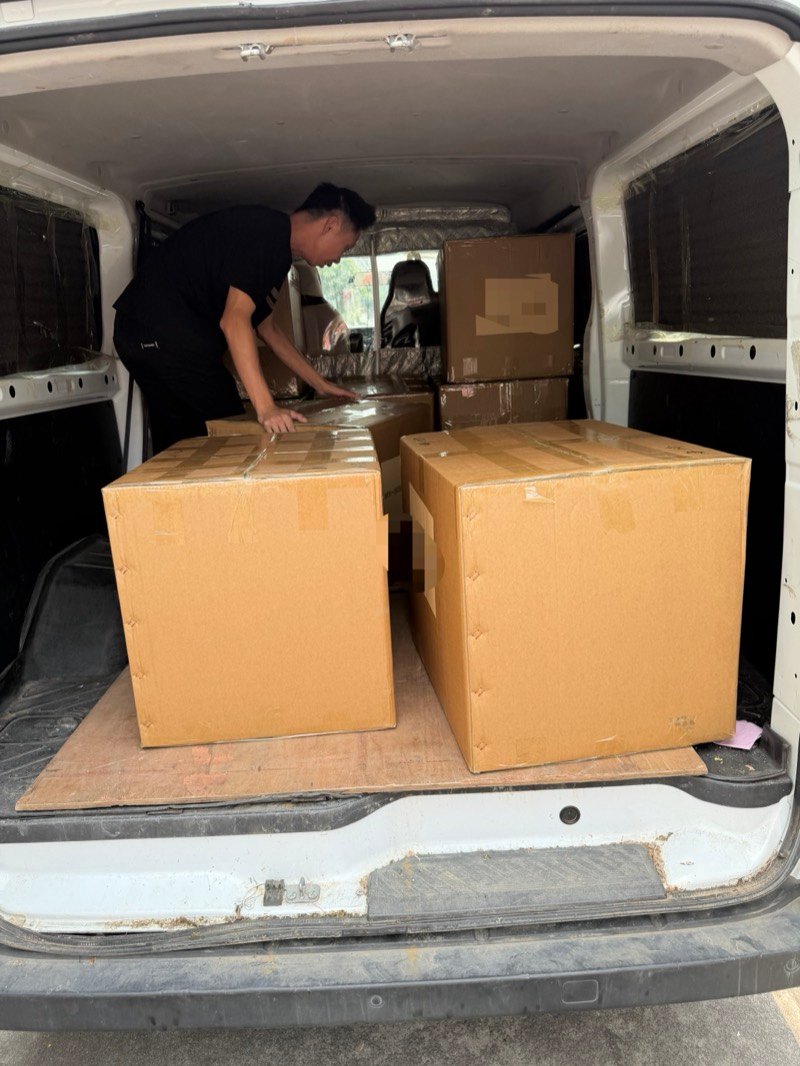
Once the label is approved, the order runs like any other. The approved label file is printed in the required quantity, the care labels are sewn or the hang tags are attached at the correct station, and the EAC mark is checked as part of the final inspection. Because the rule now requires pre-application, the labels go on before packing, and the packed cartons leave our bag manufacturing floor in Guangzhou ready for clearance rather than waiting on a warehouse rework.
The reason we write this down instead of keeping it in a sales email is that the question keeps coming, and the answer keeps getting longer. If you are quoting bags for Russia, settle the EAC label question at the quote stage, put the importer name in writing, and treat the label proof as part of sampling rather than an afterthought. Do that, and the rest of the order is just bags.